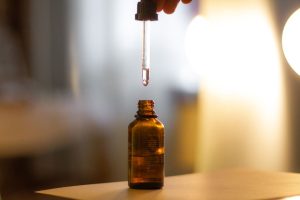
The growing popularity of cannabidiol (CBD) has led many individuals to explore its potential role in their daily wellness routines. As interest in hemp-derived products increases, so does the need for a deeper understanding of how these compounds interact with conventional pharmacology. Whether you are using a full spectrum CBG/CBD oil or other cannabinoid-based products, safety and awareness should always be your top priority.
Understanding How CBD Interacts with Medications
To grasp why interactions occur, it is essential to look at how our bodies process substances. Most medications, as well as CBD, are metabolized in the liver. This process is primarily managed by a group of enzymes known as the cytochrome P450 (CYP450) system.
CBD is known to inhibit certain enzymes within this system. When these enzymes are occupied or “slowed down” by CBD, they may not process other medications at their intended rate. This can lead to one of two scenarios: either the medication remains in your system for too long, potentially increasing its effects, or it is not processed enough to become active, potentially decreasing its efficacy. Because every individual has a unique metabolic profile, these interactions can vary significantly from person to person.
The Importance of Professional Consultation
Before introducing any new supplement into your regimen, especially if you are currently taking prescription drugs, you must consult with your healthcare provider. A doctor can review your current medication list and provide guidance based on your specific health history.
It is particularly important to be cautious with medications that carry a “grapefruit warning.” Grapefruit interacts with the same CYP450 enzymes that CBD affects. If your doctor has instructed you to avoid grapefruit while taking a specific drug, it is highly probable that you should also be cautious with CBD products, including CBG nano caplets or other concentrated formats.
Common Categories of Medication to Monitor
While research is ongoing, scientists have identified several classes of drugs that may be susceptible to interactions with cannabinoids. These include, but are not limited to:
- Blood thinners (such as warfarin)
- Anti-seizure medications
- Certain antidepressants and anti-anxiety drugs
- Immunosuppressants
- Thyroid medications
Because CBD can potentially alter the blood levels of these drugs, monitoring is key. If you decide to incorporate wellness products into your routine, your doctor might need to adjust your dosages or schedule regular blood tests to ensure your levels remain within a safe, therapeutic range.
Tips for Safe Integration
If you and your healthcare provider determine that adding CBD to your routine is appropriate, consider these best practices to minimize risks:
- Start Low and Go Slow: Begin with the smallest possible serving size to see how your body responds before gradually increasing it.
- Maintain Consistent Timing: Keeping a consistent gap between taking your medication and your CBD supplement may help reduce the chance of metabolic competition in the liver.
- Keep an Accurate Log: Note any changes in how you feel or any new symptoms that arise after starting a new product, such as a gummy nano relax supplement.
- Stay Informed: Always purchase from reputable sources that provide third-party lab testing, ensuring you know exactly what is in the products you consume.
A Note on Regulatory Status
It is important to remember that most CBD and cannabinoid products have not been evaluated by the FDA. These products are not intended to diagnose, treat, cure, or prevent any disease. Furthermore, the lack of standardized regulation in the industry means that the concentration and quality of products can vary widely. Always prioritize transparency and quality when selecting your wellness tools.
Conclusion
The relationship between CBD and pharmaceuticals is a subject of active scientific investigation. While many people find cannabinoids to be a helpful addition to their lifestyle, the potential for drug-drug interactions is a reality that cannot be ignored. By maintaining open communication with your medical team and practicing caution, you can make informed decisions that support your overall wellness journey safely and effectively.