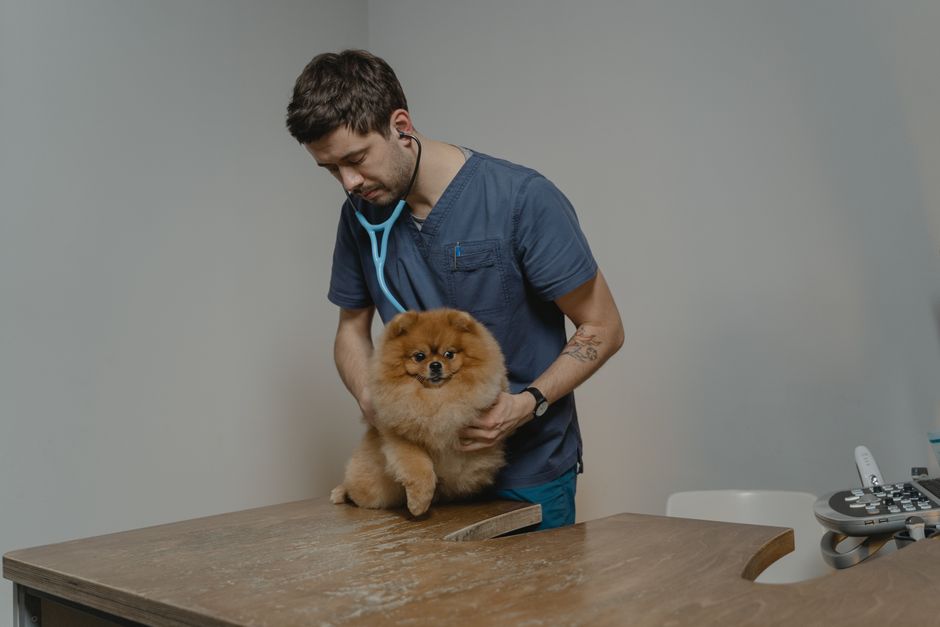
The use of cannabinoid-based products has expanded significantly in recent years, moving beyond human wellness into the realm of veterinary care. Many pet owners are now exploring the potential of cannabidiol (CBD) to support their furry companions’ quality of life. However, navigating this topic requires a clear understanding of what current research suggests and, most importantly, a partnership with a licensed veterinarian.
Understanding the Endocannabinoid System in Pets
Just like humans, dogs and cats possess an endocannabinoid system (ECS). This complex cell-signaling system plays a role in regulating various bodily functions, including mood, sleep, appetite, and immune response. The ECS consists of endocannabinoids, receptors, and enzymes that work to maintain internal balance, or homeostasis, even when external factors fluctuate.
Because mammals share this biological framework, researchers are actively investigating how phytocannabinoids—compounds derived from the cannabis plant—might interact with these receptors in our pets. While the science is still evolving, the interest in these interactions stems from the potential to support the body’s natural regulatory processes.
When Is CBD Considered for Pets?
Veterinary professionals are frequently asked about CBD when pets exhibit signs of discomfort or restlessness. While owners often seek natural alternatives to conventional support, it is critical to note that CBD is not a cure-all. Research is ongoing, and preliminary studies suggest that cannabinoids may assist in managing systemic balance in various scenarios, such as:
- Occasional environmental stressors, such as thunderstorms or fireworks.
- Age-related mobility issues and stiffness.
- Support for general wellness and immune system health.
It is important to emphasize that these products are not evaluated by the FDA and are not intended to diagnose, treat, cure, or prevent any disease. Always consult with your veterinarian before introducing any supplement into your pet’s routine, as they can assess your pet’s specific health history and potential drug interactions.
Choosing the Right Formulation
If your veterinarian approves the use of a cannabinoid supplement, quality and purity are the most important factors. The pet industry is often flooded with products that may not contain the concentrations listed on the label. When selecting a product, look for those that provide a Certificate of Analysis (COA) from a third-party laboratory to ensure it is free from heavy metals, pesticides, and unwanted THC levels.
While many human-grade products exist, they are not always suitable for pets. Some human tinctures contain xylitol, essential oils, or other additives that can be toxic to animals. For humans seeking their own wellness support, exploring options like a balanced CBG and CBD oil blend or high-potency alternatives can be beneficial, but these should never be shared with pets unless explicitly directed by a veterinary professional.
Safety Precautions and Dosing
Dosing for pets is significantly different from humans. Because animals have different metabolic rates and sensitivities, a “start low and go slow” approach is the gold standard. Even high-quality extracts, such as a pure CBD isolate oil, must be dosed according to the pet’s body weight and individual tolerance.
Common side effects observed in clinical settings can include lethargy, changes in appetite, or digestive upset. If you notice any unusual behavior after administering a new supplement, discontinue use immediately and contact your veterinarian. Additionally, for those interested in their own wellness routines, exploring advanced nano-delivery caplets offers a different approach to absorption, but remember that these technologies are designed specifically for human physiology.
The Future of Veterinary Cannabinoid Research
The landscape of veterinary medicine is changing. As more clinical trials are published, we expect to see clearer guidelines on the use of cannabinoids for pets. Currently, the most significant barrier is the lack of standardized regulatory oversight, which makes it vital for pet owners to remain vigilant and well-informed.
Always prioritize your pet’s safety. Before purchasing any product, verify the source, check the ingredients for pet-toxic additives, and maintain an open dialogue with your vet. By working together, you can make informed decisions that prioritize the health and comfort of your canine or feline companion.