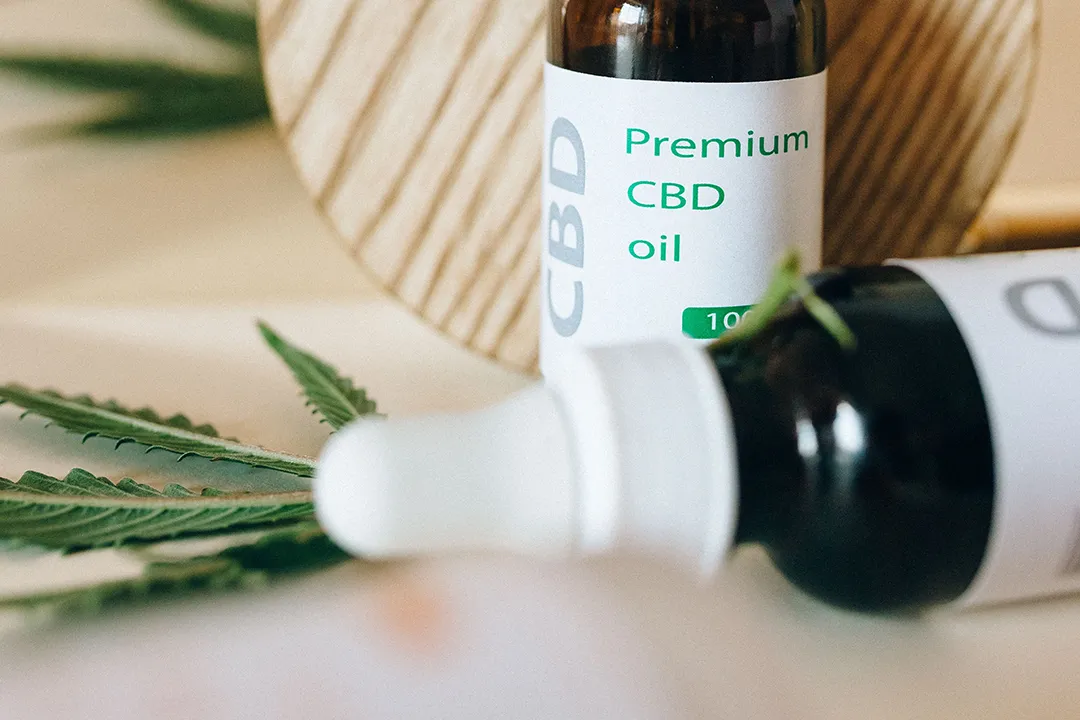
In recent years, the interest in cannabidiol (CBD) as a complementary approach for individuals on the autism spectrum has grown significantly. Families and caregivers are increasingly looking for ways to improve the daily quality of life for those with autism, leading many to explore the potential of non-psychoactive cannabinoids. While the scientific community is still in the early stages of understanding these complex interactions, current research provides a fascinating, if preliminary, glimpse into how CBD may support neurological balance.
Understanding the Endocannabinoid System and Autism
The human body possesses an endocannabinoid system (ECS), a complex network of receptors and signaling molecules that help maintain homeostasis—the internal balance of our physiological functions. Researchers are currently investigating whether the ECS plays a role in the core symptoms of autism spectrum disorder (ASD). Some studies suggest that individuals with autism may have differences in their endocannabinoid signaling, which has sparked interest in whether exogenous cannabinoids like CBD can help modulate these pathways.
It is important to note that these products are not evaluated by the FDA and are not intended to diagnose, treat, cure, or prevent any disease. Any consideration of incorporating supplements into a wellness routine should be discussed with a healthcare professional to ensure safety and compatibility with existing treatments.
What Current Research Suggests
Scientific literature on CBD and autism is evolving rapidly. Several clinical trials and observational studies have explored the impact of CBD-rich extracts on common challenges associated with autism, such as irritability, communication difficulties, and sleep disturbances. While results are mixed and large-scale, double-blind, placebo-controlled studies are still needed to reach definitive conclusions, many participants in these studies have reported anecdotal improvements in their overall well-being.
For those interested in exploring the potential benefits of high-quality formulations, many start with a consistent regimen. Using a reliable broad spectrum oil can be a practical way to integrate these compounds into a daily routine, provided that a physician has approved the addition.
Focusing on Quality of Life
When we talk about quality of life in the context of autism, we are often referring to the ability to navigate daily tasks, emotional regulation, and restful sleep. Parents often report that their children experience a reduction in external stressors when utilizing supportive wellness products. While CBD is not a direct treatment for the underlying genetic or developmental aspects of autism, its role in promoting a sense of calm is a subject of ongoing investigation.
If you are looking for a convenient way to maintain a steady intake, many adults find that nano-infused wellness gummies offer a precise and easy-to-manage method for daily support. Precise dosing is crucial, especially when working with sensitive individuals, as it allows for better tracking of how the body responds over time.
Important Considerations for Families
Safety is the primary concern when considering CBD for autism. Because the market is vast and often unregulated, it is vital to choose products that provide third-party laboratory testing. This ensures that the product is free from heavy metals, pesticides, and unwanted contaminants. Furthermore, the entourage effect—a theory suggesting that various cannabinoids work better together—has led many to seek out full spectrum cannabinoid blends as a way to potentially enhance the overall effect of the supplement.
Practical Steps to Begin
- Consult a Doctor: Always speak with a pediatrician or neurologist before starting any new supplement.
- Start Low and Slow: Begin with a minimal dose to observe how the individual reacts, gradually increasing only if advised by a professional.
- Keep a Journal: Track behavioral changes, sleep patterns, and mood to identify what works best for your specific situation.
- Verify Lab Results: Only purchase products that provide a Certificate of Analysis (COA).
As research continues to unfold, the scientific community remains optimistic about the role of cannabinoids in supporting those on the autism spectrum. By prioritizing high-quality products and maintaining open communication with healthcare providers, families can better navigate the options available to support a balanced and comfortable lifestyle.