In recent years, researchers and the public alike have shown growing interest in the potential role of cannabis as a harm-reduction tool. As individuals seek alternatives to traditional substances like alcohol and tobacco, cannabinoids—the chemical compounds found in the cannabis plant—are being investigated for their complex interactions with the human body’s endocannabinoid system.
The Concept of Substitution in Substance Use
Substitution, or the “exit drug” hypothesis, suggests that individuals may use cannabis as a less harmful alternative to manage cravings or withdrawal symptoms associated with alcohol and tobacco. While research is ongoing, many anecdotal reports indicate that some people find cannabinoids helpful in navigating the transition away from more addictive substances.
It is important to note that these products are not evaluated by the FDA and are not intended to diagnose, treat, cure, or prevent any disease. Always consult with a healthcare professional before making significant changes to your wellness routine.
Cannabinoids and the Endocannabinoid System
The human endocannabinoid system (ECS) plays a vital role in regulating mood, stress, and reward pathways—areas often disrupted by long-term alcohol and nicotine use. By interacting with cannabinoid receptors, specific compounds may influence how the body responds to stress and environmental triggers.
Exploring the Role of CBD and CBG
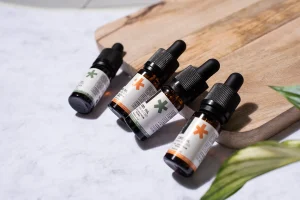
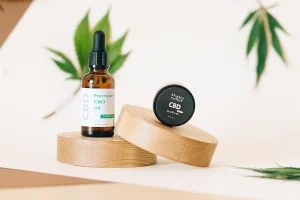
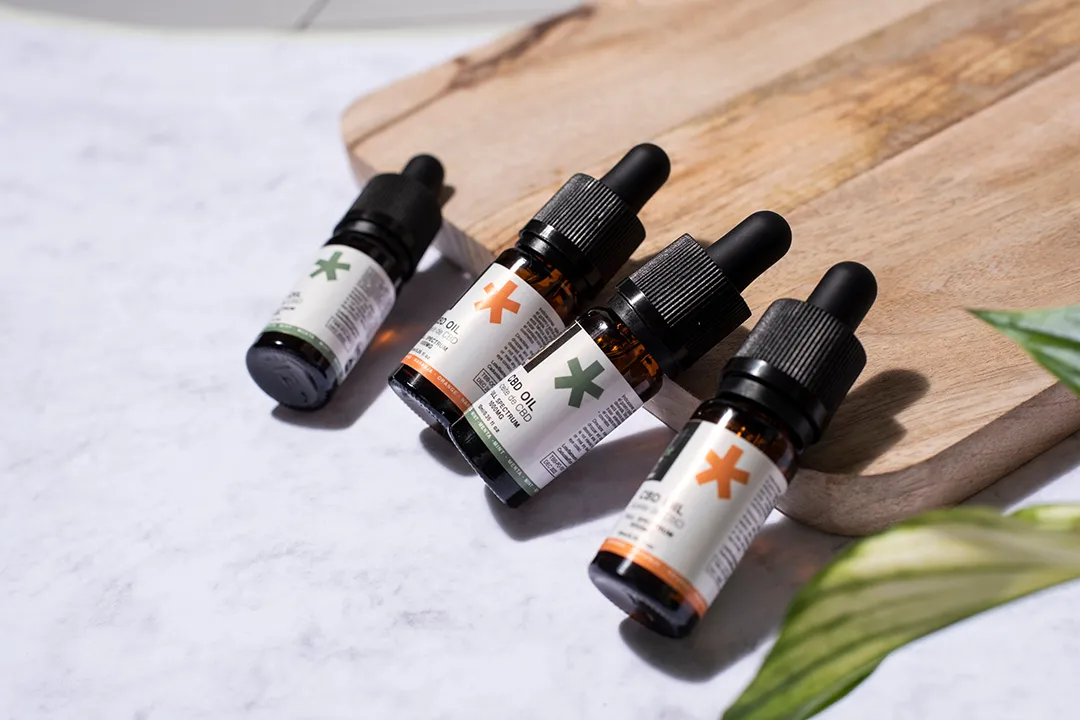
Cannabidiol (CBD) and Cannabigerol (CBG) are non-intoxicating cannabinoids that have become the focus of many wellness enthusiasts. For those looking to incorporate these into their daily lives, many find that using a high-quality 1:1 CBG/CBD full spectrum oil provides a balanced approach to supporting their overall sense of equilibrium during challenging times.
Preliminary studies are currently exploring how these compounds might influence the neurobiological pathways associated with habit formation. While the science is still evolving, the focus remains on how these natural interactions might help individuals achieve a more centered lifestyle.
Managing Triggers and Habits
Breaking the cycle of alcohol or tobacco consumption is often less about willpower and more about managing the sensory rituals associated with those habits. When a person is used to the physical sensation of holding a glass or a cigarette, finding a ritualistic replacement is often key to success.
The Ritual of Consumption
Some individuals find that the act of using a device, such as a smooth and flavorful vape pod, can serve as a helpful substitute for the sensory experience of smoking. By shifting the focus toward a different sensory input, people may find it easier to distance themselves from traditional tobacco use.
Similarly, for those looking to unwind in the evening without turning to alcohol, a refreshing, non-alcoholic beverage can be a game-changer. Choosing a dream wave seltzer can provide a relaxing experience that mimics the social or ritualistic aspects of drinking, without the physiological impact of ethanol.
A Holistic Approach to Wellness
Reducing the intake of alcohol and tobacco is a journey that looks different for everyone. It often requires a multi-faceted approach that includes behavioral changes, social support, and the integration of wellness tools that align with individual goals.
Key Considerations for Your Journey
- Mindfulness: Pay attention to the triggers that lead to cravings.
- Consistency: Maintain a routine that supports your long-term health goals.
- Quality: Always source your botanical products from reputable providers to ensure transparency and purity.
As you explore these alternatives, remember that consistency is often the most significant factor in shifting habits. Whether you are experimenting with different cannabinoid ratios or simply looking for healthier ways to fill the gaps left by previous habits, the goal is to create a sustainable, balanced lifestyle. Always prioritize your health and consult with a doctor to ensure that any new supplement regimen is safe for your specific health profile.